

One of Japan’s most iconic cities, Kyoto in many ways symbolizes the quintessential traditional Japan with its numerous shrines and cultural experiences. The city’s trains and buses make it relatively easy to travel in and around the area, and it’s possibly the most English-friendly city in all of Japan. I highly recommend visiting Kyoto in the fall or winter and hitting the attractions early as the city can become packed especially during the tourist seasons.

Kinkaku-ji Temple
Make a quick visit to the eminent zen temple of Kinkaku-ji most famous for its brilliant gold leaf paint. As you walk along the temple grounds, notice the exquisite Japanese garden which has kept its original design throughout the years.

Fushimi Inari
Fushimi Inari is best known for its “thousand torii gates.” Walk beneath the torii gates up to the mountain’s summit for picturesque views of the city. Grab a quick bite to eat or purchase a Japanese souvenir at one of the stands lining the entrance of the shrine.
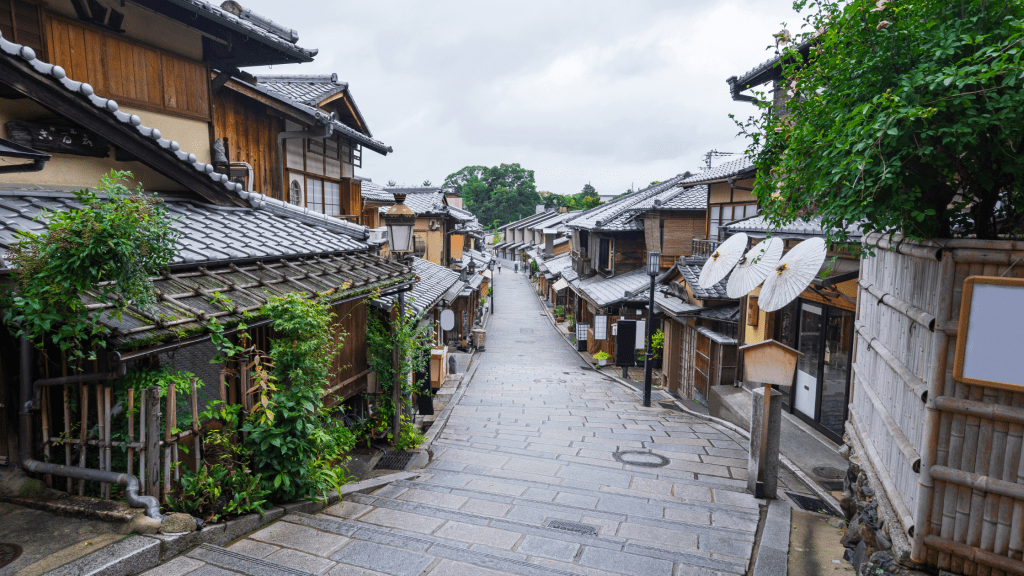
Gion District
Travel back to the time of geishas in the Gion district. You’re not likely to see geishas here (pesky tourists have forced them into secrecy), but you can walk along the old architectural buildings and visit its many shops and restaurants.

Philosopher’s Path
This leisurely path gets its name from the Japanese philosopher Nishida Kitaro who meditated along the peaceful walkway during his daily commute to Kyoto University. Follow the koi-filled canal for a pleasant stroll, and stop by the trendy boutiques, shops and restaurants.

Nara Park
Easily Kyoto’s most Insta-famous area, Nara park houses an impressive number of temples and deer. The sacred deer fearlessly flock the streets, temples, sidewalks and fields of Nara Park. When my sister and I first visited Nara, we made the rookie mistake of buying deer cookies. Within seconds of the vendor handing me the thin treats, I was swarmed by a mob of gluttonous, feisty deer. The toothless bites and horny headbutts were less than ideal. Learn from my mistake; skip the food and just calmly walk up to the deer empty handed. They’ll still come up to you (if only to see if you have any food). The 1,630 acre park is also worth a visit for its numerous temples and exquisite gardens and greenery.

Arashiyama
This quaint area outside of Kyoto is most famous for its bamboo grove but has much more to offer all within walking distance of one another. I recommend starting your visit to Arashiyama early and visiting the bamboo grove first before the crowds ensue. Enjoy a pleasant walk beneath the towering bamboo shoots, and discover temples scattered among the green forest. Pay just a few hundred yen (the equivalent of a few dollars) to explore the beautiful Japanese garden at Okochi Sanso Villa. During your visit, take advantage of the complimentary matcha and snack.
Take a calming stroll along the river and cross the Togetsukyo bridge to reach Monkey Park Iwatayama. Hike uphill for about 10 minutes to reach the curious and playful macaques or snow monkeys. Although the monkeys are wild, they don’t seem to mind humans, and the Iwatayama staff keep a close eye just in case the rascally monkeys get too close for comfort. Macaques are extremely intelligent and social. Watch the babies play with sticks and rocks while the adults groom one another. Enter the shed enclosed with wire to feed the monkeys.
Lastly, shop for Japanese trinkets and food on Saga-Toriimoto street. The traditional “machiya” homes that line the bustling street have since been converted into boutiques and restaurants.
 Living the Holloway